
Lower carbon.
CBAM-ready.
Verified.
Committed to responsible aluminium manufacturing through clean energy, recycling, process control, and certified management systems, fully documented for European CBAM compliance from January 2026.
per kg Al
aluminium.
Aluminium is one of the most recyclable materials on earth. Banco's responsibility is to operate it that way: maximising recycled content, minimising energy intensity, controlling every emission, and providing our customers with the carbon data they need to meet their own sustainability commitments.
Our approach to
responsible aluminium.
Four integrated commitments: measured, certified, and reported. Not a policy document. An operating standard.
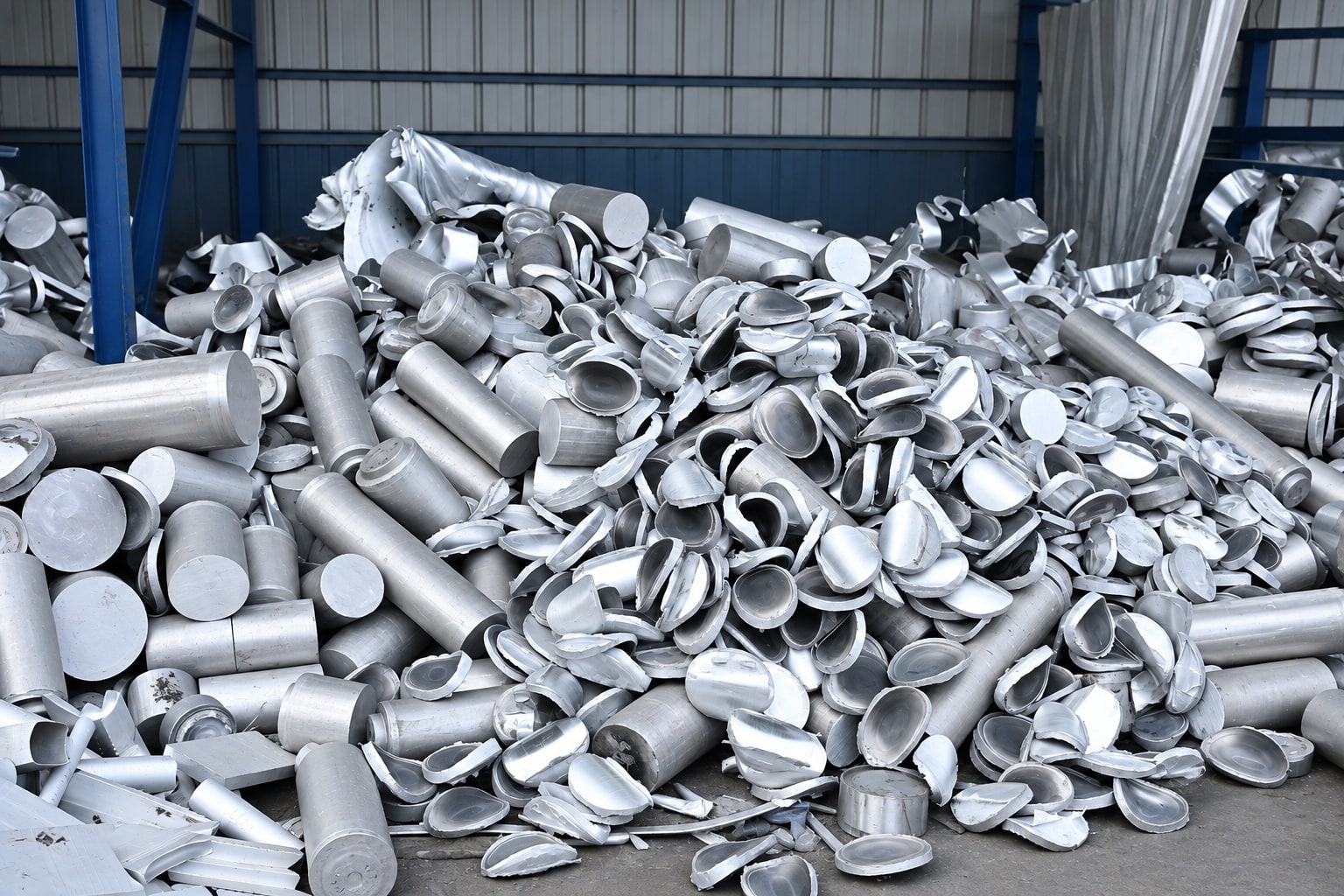
Scrap utilisation
Up to 50% pre and post-consumer scrap input, saving up to 95% of the energy required to extract and smelt primary aluminium. Green billet certification available on request.
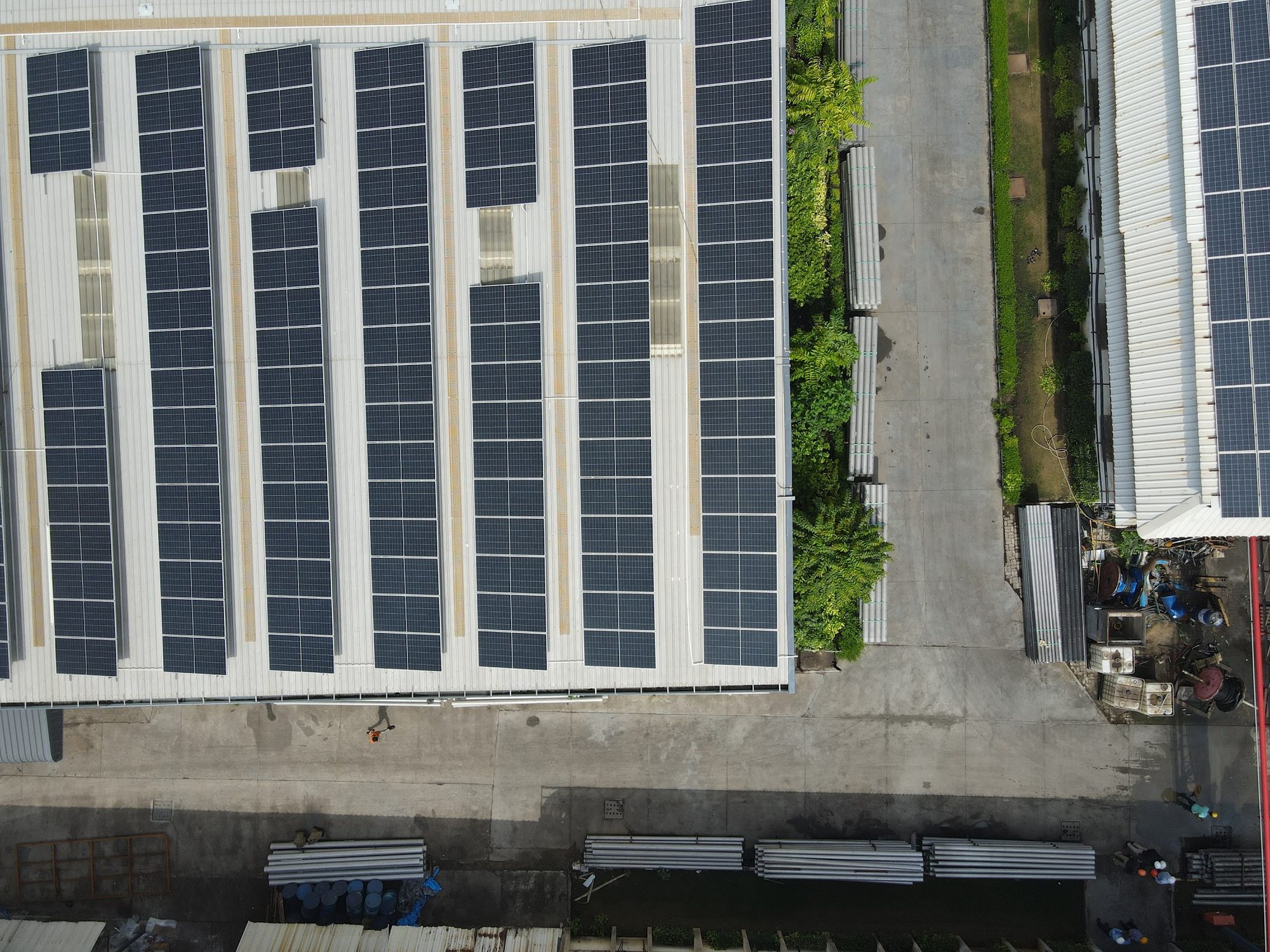
Clean energy
100% natural gas in melting furnaces, 960 kW captive solar generation, and 1 MW hybrid power consumption, reducing grid dependency and carbon intensity across operations.
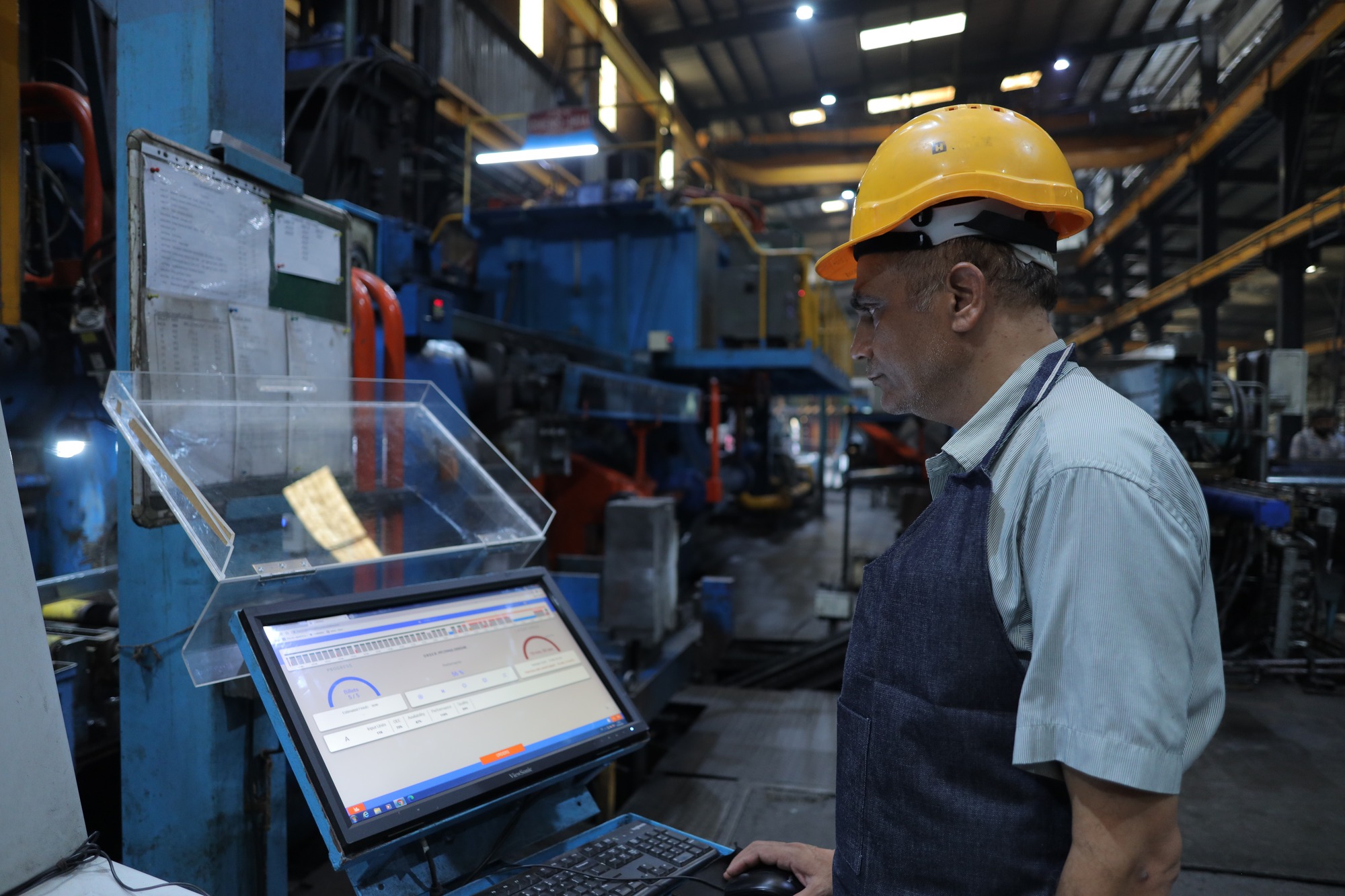
Waste reduction
SCADA/ERP-based process monitoring, stage-wise quality control, and MES-ERP integration minimise scrap generation at every step, from billet casting through to finished profile.
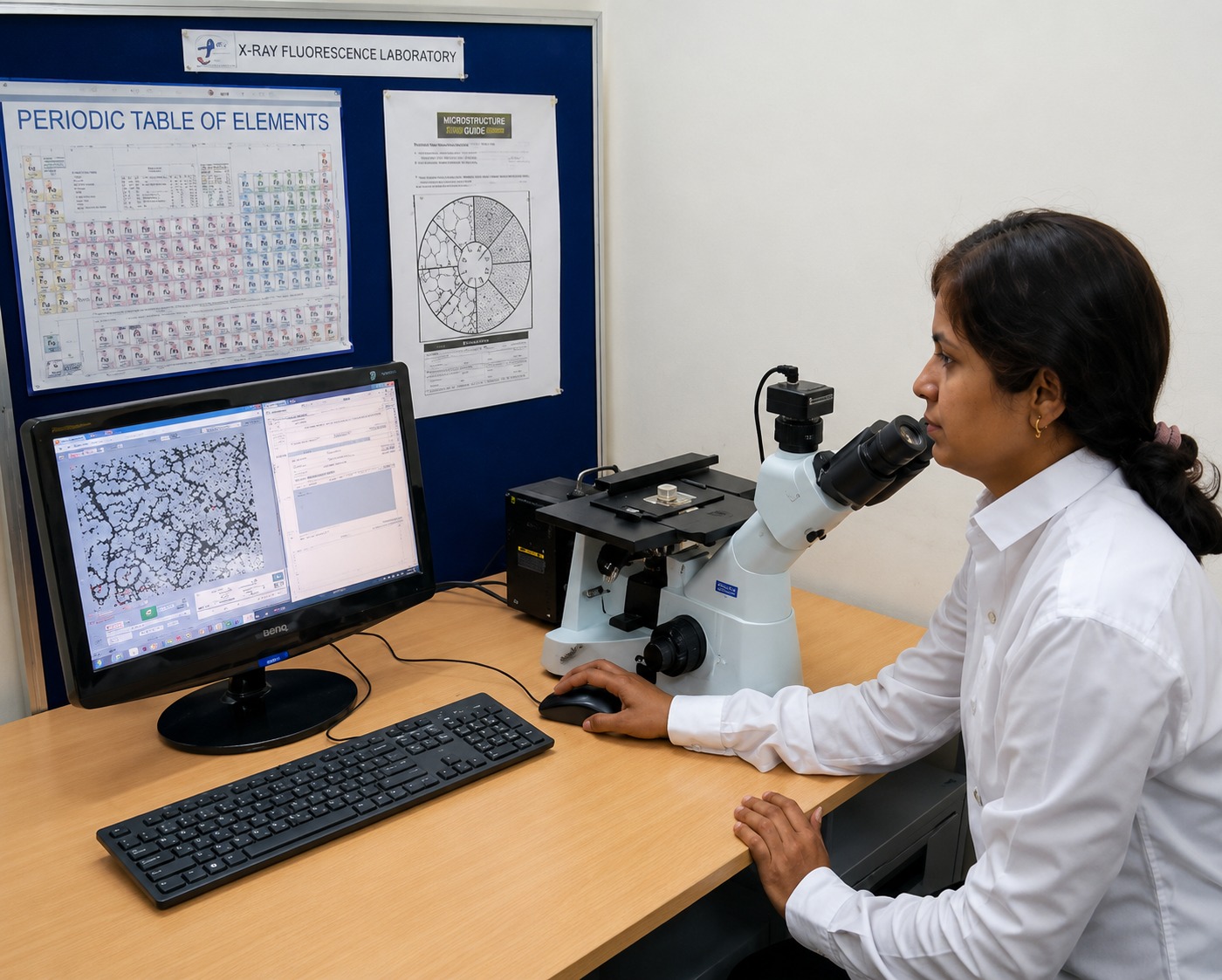
Certified systems
Three ISO management systems covering quality, environment, and occupational health and safety. Independently audited and renewed annually by accredited third-party bodies.
Up to 50% recycled
scrap input.
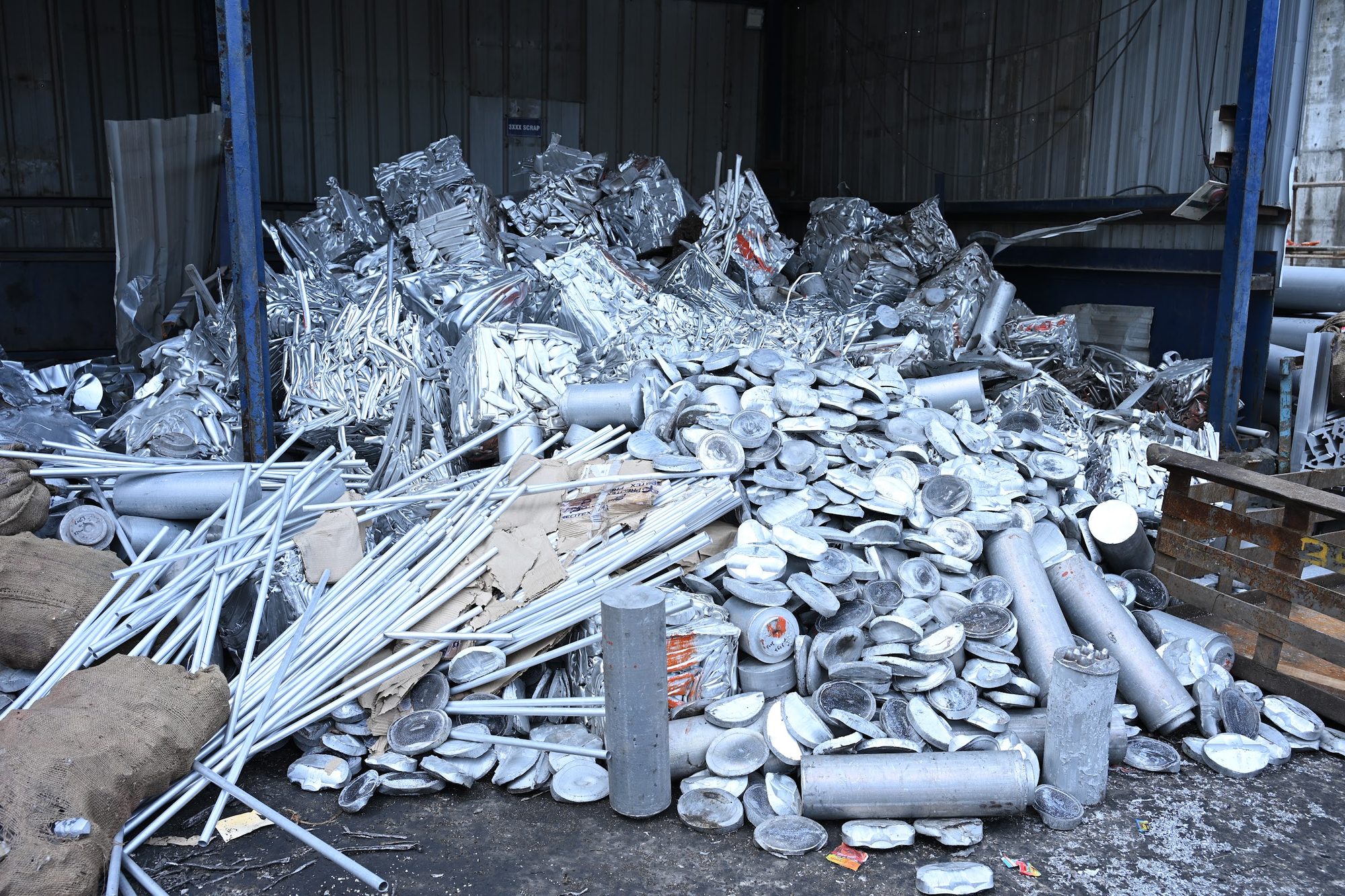
Aluminium is infinitely recyclable without loss of properties. Banco's in-house foundry accepts up to 50% pre and post-consumer scrap as billet feedstock, validated by Spectro-OES chemical analysis on every melt. Recycling aluminium uses 95% less energy than primary smelting. Green billet certification is available for customers requiring documented recycled content declarations.
CBAM documentation
available.
The EU Carbon Border Adjustment Mechanism requires importers to declare the embedded carbon in aluminium products from January 2026. Banco's CBAM-certified footprint of 0.203 kg CO₂e per kilogram is fully documented and available to support compliance for European customers.
Documentation covers the full production scope: foundry, extrusion, heat treatment, machining and surface finishing. It is calculated to EN 15804 methodology and ISO 14064-1 verified by an accredited third-party auditor.